Worldwide Audience Trends in Film Selection: Data Consolidation from Viewership Records and Online Platforms
Written by Casey Beck · Sep 8, 2026
Worldwide Audience Trends in Film Selection: Data Consolidation from Viewership Records and Online Platforms
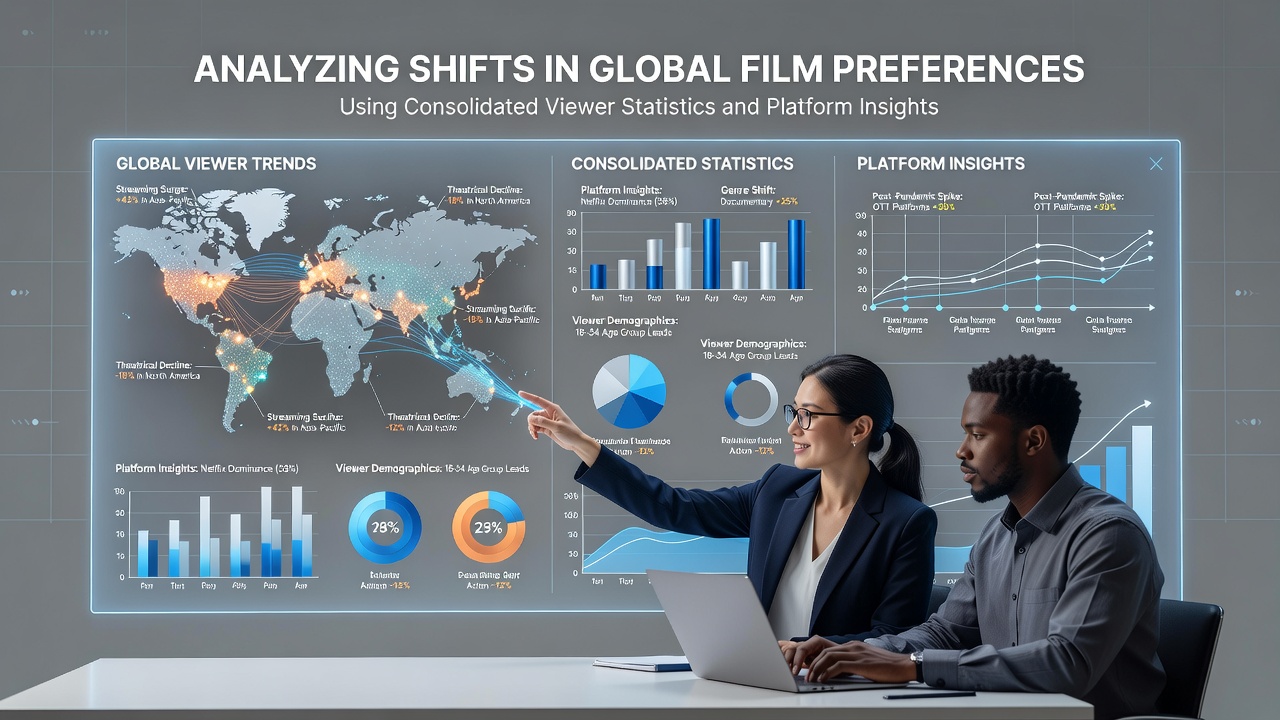
Consolidated viewer statistics have become central to understanding how audiences select films across regions and platforms, and researchers compile data from multiple sources to track these patterns over time. In September 2026 several major services released updated aggregates that revealed continued movement toward non-English language titles in key markets, while action and drama genres maintained strong positions in overall hours viewed.
Methods Behind Data Aggregation
Analysts combine subscription logs, completion rates, and search queries from services such as Netflix, Disney+, and regional platforms to create unified datasets, and this approach allows comparison across countries without relying on single-source figures. Government statistical agencies in Canada and Australia contribute additional survey data that cross-checks platform numbers, which reduces gaps caused by varying measurement standards. Academic teams at institutions in Europe further refine these merged records by applying weighting factors for demographic representation.
Platform Analytics and Viewer Behavior
Streaming dashboards track not only total views but also drop-off points and repeat watches, so platform operators can identify which films retain attention across different age groups. These metrics feed into larger industry reports that show, for example, how thriller titles from South Korea gained consistent traction in Latin American markets during the first half of 2026. Observers note that recommendation algorithms influence initial discovery, yet completion data ultimately determines whether a title registers in consolidated rankings.
Documented Shifts in Genre and Language Preferences
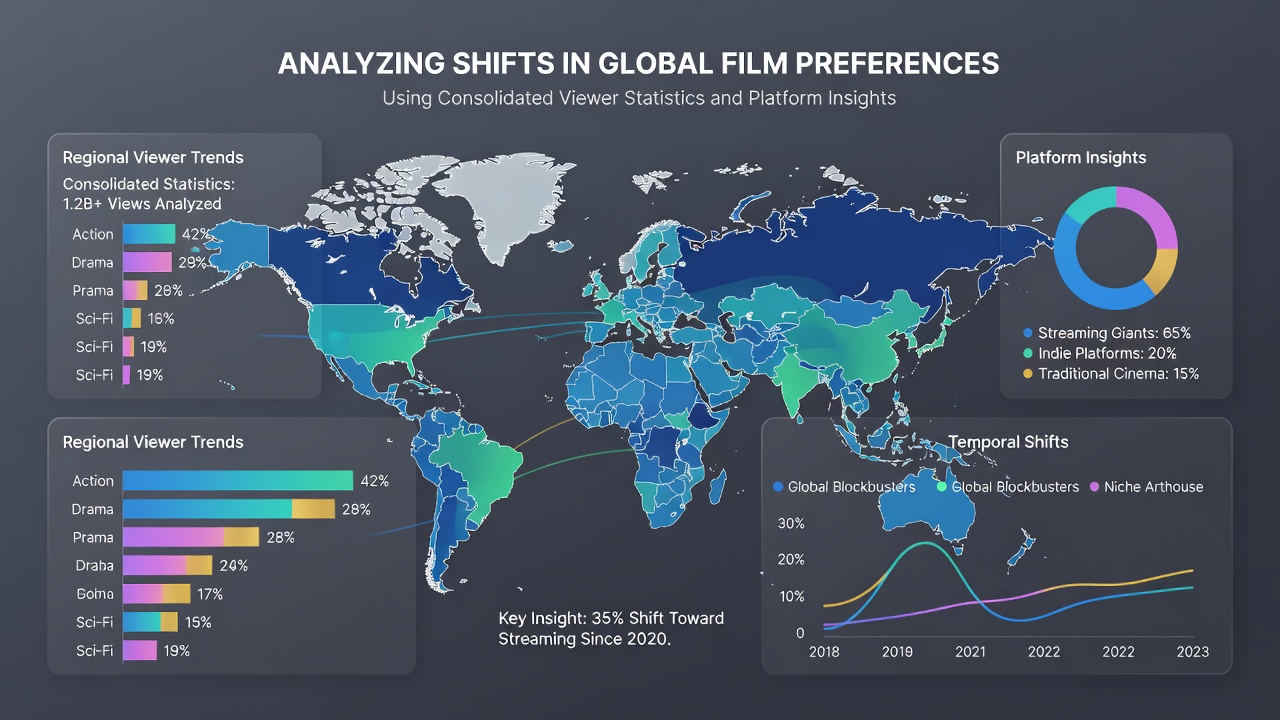
Figures released in September 2026 indicated that documentaries and limited series increased their share of viewing time in several European countries compared with the previous year, whereas comedy films held steady in North American aggregates. Data compiled by the European Audiovisual Observatory showed that co-productions between EU member states and Asian partners appeared more frequently in top-ten lists, and similar patterns emerged in reports from Australia's screen funding bodies. Language diversity metrics revealed a gradual rise in films originally produced in Spanish, Portuguese, and Mandarin appearing among the most watched titles on global platforms.
Regional Differences in Consumption Patterns
Viewership records from the Motion Picture Association highlighted stronger retention for science-fiction titles in urban centers across North America, while rural areas in the same countries showed higher engagement with historical dramas. In Asia-Pacific markets, platform data indicated that local-language productions continued to dominate weekend viewing slots, although international blockbusters still captured significant portions of total hours during holiday periods. Canadian regulatory summaries noted that bilingual content performed well in provinces with mixed linguistic populations, providing another layer to the overall picture of shifting preferences.
Implications for Future Content Planning
Industry analysts use these consolidated statistics to adjust release schedules and marketing spend, and the same datasets help smaller production companies identify underserved genres in specific territories. Because the underlying numbers come from multiple verified sources, decision-makers gain clearer signals about which projects may achieve broader reach. Continued refinement of measurement techniques should further improve the accuracy of these cross-platform comparisons in subsequent reporting cycles.
Conclusion
Consolidated viewer statistics and platform insights together provide a clearer map of how global film preferences evolve, and the September 2026 releases added new data points that confirm ongoing diversification in language and genre selections. By drawing on records from government agencies, academic researchers, and industry organizations across several continents, these analyses support more informed decisions about content development and distribution strategies.