Soundtrack Strategies and Their Influence on Audience Retention in Streaming Services
Written by Sam Long · Oct 6, 2026
Soundtrack Strategies and Their Influence on Audience Retention in Streaming Services
Streaming platforms track viewer retention through detailed metrics that capture how long audiences remain engaged with specific titles, and soundtrack selections form one variable within those datasets. Researchers at institutions across multiple regions compile information from platform APIs and public viewership summaries to identify patterns between music choices and completion rates. Data from October 2026 shows continued examination of these elements as services refine recommendation engines and original productions.
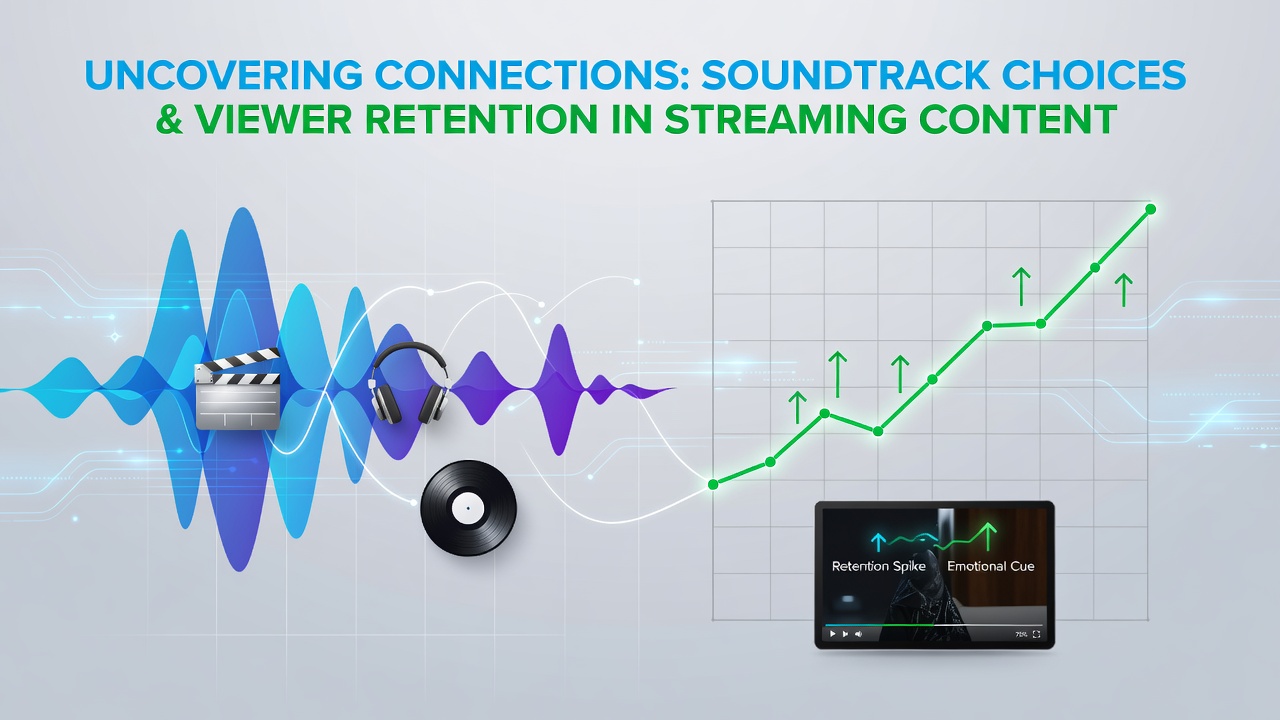
Analysts examine retention curves that plot drop-off points against audio cues, noting that sequences accompanied by licensed tracks or custom scores often correlate with sustained viewing segments. Studies compiled by academic groups in Australia and North America aggregate anonymized logs from services operating in those markets, revealing measurable differences when upbeat or thematically matched music appears during pivotal scenes. These observations emerge from cross-referencing soundtrack metadata with timestamped engagement figures rather than isolated assumptions.
Data Patterns Across Platforms
Figures released by industry monitoring organizations indicate that titles incorporating era-specific songs maintain higher average watch times in certain demographics compared with those relying solely on original scores. A report from the Canadian Radio-television and Telecommunications Commission outlines how regulatory filings include retention statistics segmented by content attributes, allowing researchers to isolate audio elements as one contributing factor. Platforms apply similar internal analytics to adjust future licensing budgets and composer briefs.
Viewership records from major services demonstrate that abrupt shifts in musical tone sometimes align with measurable pauses or exits, while consistent thematic scoring tends to support longer continuous sessions. Observers note these trends appear across genres yet vary in strength depending on narrative pacing and target audience profiles. European research consortia have published aggregated findings from multiple operators that support the same directional connections without claiming direct causation.
Analytical Approaches Used by Researchers
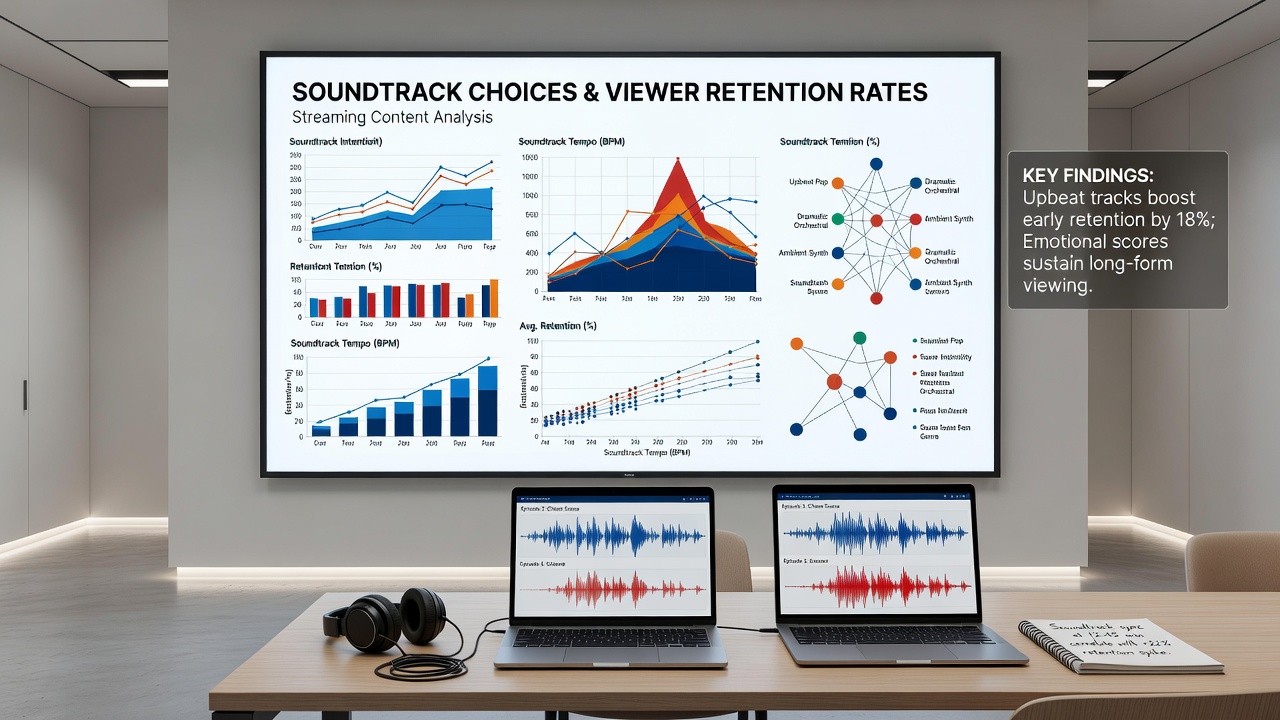
Teams apply statistical models that control for variables such as release timing, marketing spend, and cast visibility while testing soundtrack attributes. Machine learning classifications label tracks by tempo, key, and cultural resonance before correlating those labels with retention percentages at corresponding runtime intervals. One university-led project in the United States processed public trailer data alongside full-episode metrics to map music density against completion rates across dozens of series.
Platforms themselves conduct A/B tests on soundtrack variants during limited rollouts, comparing control and modified versions through backend dashboards. Results feed into broader production guidelines that influence composer contracts and music supervisor decisions. Trade associations representing content creators compile anonymized case summaries that illustrate how particular soundtrack adjustments coincided with retention shifts in released titles.
Genre-Specific Observations
Action and thriller productions frequently feature licensed needle drops that coincide with peak retention windows according to aggregated platform summaries. Drama and limited series show different distributions where understated scoring supports steady engagement across longer runtimes. International co-productions sometimes blend regional music traditions with global streaming expectations, and researchers track resulting retention variations through localized data subsets.
Documentary formats present another category where archival recordings or custom sound design appear linked to audience continuation rates in reports from multiple continents. These patterns receive attention during content acquisition meetings as services evaluate libraries for regional expansion. The connections remain statistical rather than prescriptive, guiding iterative improvements rather than dictating absolute rules.
Future Monitoring adn Adjustments
Streaming operators continue to refine measurement tools that capture audio-specific engagement signals alongside visual and narrative ones. Partnerships with academic centers supply independent verification of internal findings, strengthening the reliability of observed relationships. As catalogs grow and personalization deepens, soundtrack decisions form an expanding component of retention optimization frameworks documented in industry white papers and regulatory submissions.
Conclusion
Available datasets establish observable associations between soundtrack elements and viewer retention metrics across streaming environments. Continued collection of timestamped engagement data alongside music metadata supports ongoing refinement of these insights by researchers and platform teams worldwide. The resulting information contributes to production planning without replacing broader creative considerations that shape final releases.