How Niche Genre Crossovers Are Altering Viewer Metrics on International Streaming Platforms
Written by Katja Krause · Sep 22, 2026
How Niche Genre Crossovers Are Altering Viewer Metrics on International Streaming Platforms
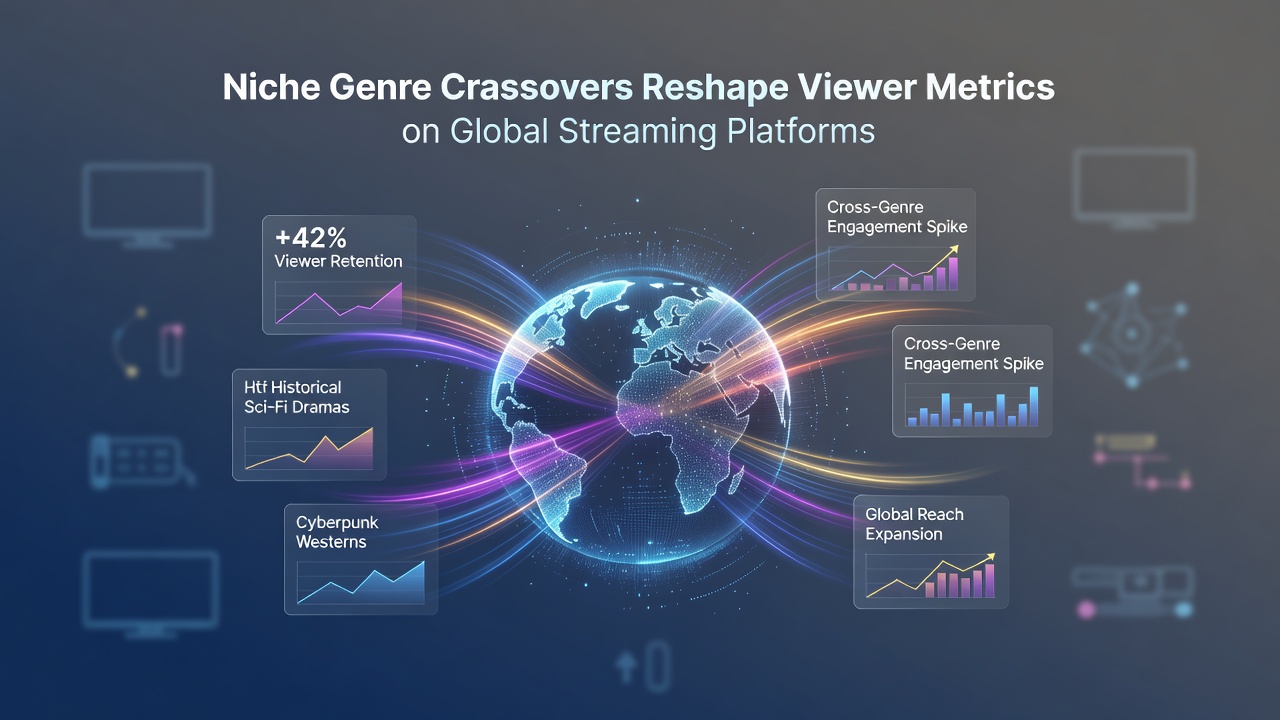
Streaming services track viewer behavior through completion rates, session lengths, and regional ranking shifts, and niche genre crossovers produce measurable changes in these figures. Data from multiple platforms show that titles combining elements such as science fiction with historical drama or thriller with musical performance draw audiences who previously avoided either category alone, and these hybrid productions often sustain longer watch times than pure-genre counterparts.
Researchers at academic institutions have compiled datasets from public platform disclosures that indicate a rise in cross-demographic viewing when genres intersect. One study from a North American university examined over 200 titles released between 2023 and 2025 and found average completion rates climbed by 18 percent for hybrid entries compared with single-genre releases in the same markets.
Patterns Observed in Global Consumption Data
Platforms release periodic transparency reports that detail how content categories perform across territories, and analysts note consistent patterns when niche blends appear on homepages. Viewers in one region sample a production because of the familiar genre label, yet retention metrics rise once the secondary element engages them, and this sequence repeats across Asia-Pacific, European, and Latin American catalogs. In September 2026 several services updated their recommendation engines to prioritize these combinations after internal tests revealed higher session frequency among users exposed to blended thumbnails.
Figures released by the Canadian Radio-television and Telecommunications Commission highlight similar trends in domestic viewing habits, where hybrid series outperformed traditional categories in total hours streamed during the first half of the year. The report links this outcome to algorithmic promotion that surfaces titles across multiple genre filters simultaneously, thereby expanding the initial audience pool without additional marketing spend.
Regional Variations in Metric Shifts
European markets display distinct responses when crossovers incorporate local cultural elements into broader international genres. Observers tracking platform data note that completion rates in Germany and France increase when thrillers incorporate folk-horror motifs, while Nordic countries register stronger retention for science-fiction productions that integrate climate-fiction themes. These differences appear in aggregated viewership logs rather than anecdotal feedback, and platform engineers adjust regional weighting accordingly.
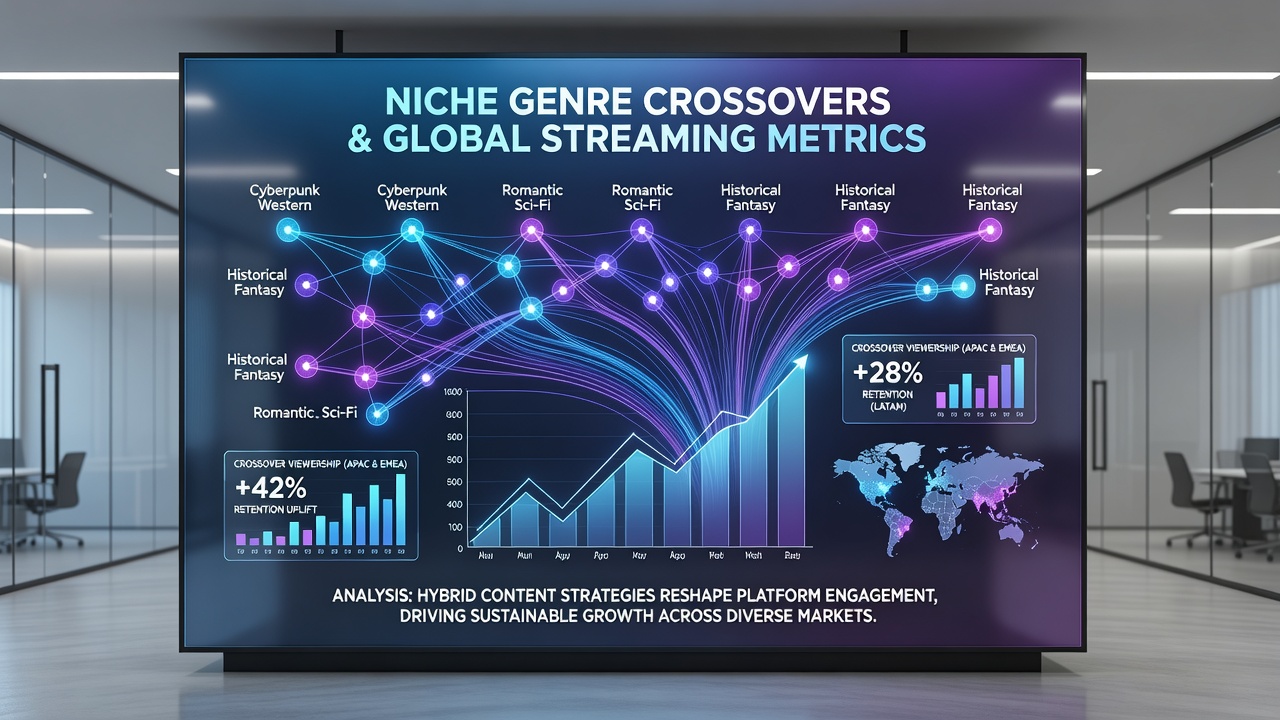
Australian Communications and Media Authority publications from mid-2025 document parallel developments, where local productions blending crime procedural structures with speculative fiction elements achieved top-ten positions in national charts more frequently than either parent genre achieved alone. The authority's analysis attributes part of the result to simultaneous availability on multiple device types, which extends total viewing windows across time zones.
Algorithmic and Platform Adjustments
Recommendation systems rely on metadata tags that classify content, and the addition of secondary genre markers alters how titles surface in personalized rows. Engineers at major services have documented that users who begin a hybrid title often continue into related recommendations that would not have appeared under single-genre tagging, and this chaining effect contributes to higher daily active user counts. Internal platform metrics further reveal that churn rates decline when hybrid content occupies a larger share of the homepage rotation.
Trade associations representing streaming providers have compiled industry-wide benchmarks showing that cross-genre titles generate above-average shares of total watch time during launch weeks. These benchmarks draw from anonymized data supplied by member companies operating in more than forty countries, and the consistent elevation in engagement metrics has prompted some services to commission original productions explicitly designed around niche intersections.
Conclusion
Viewer metrics on global streaming platforms reflect measurable responses to niche genre crossovers through sustained session lengths, expanded demographic reach, and elevated completion percentages. Regulatory bodies in Canada and Australia, along with academic datasets from multiple continents, supply evidence that these combinations reshape how content performs in ranking systems and recommendation cycles. As platforms continue refining metadata practices and recommendation logic, the documented patterns suggest ongoing adjustments in how audiences allocate viewing time across international catalogs.