Cinematographic Lighting in Exported Films: Correlations with Regional Audience Retention Metrics
Written by Gisela Werner · Oct 20, 2026
Cinematographic Lighting in Exported Films: Correlations with Regional Audience Retention Metrics
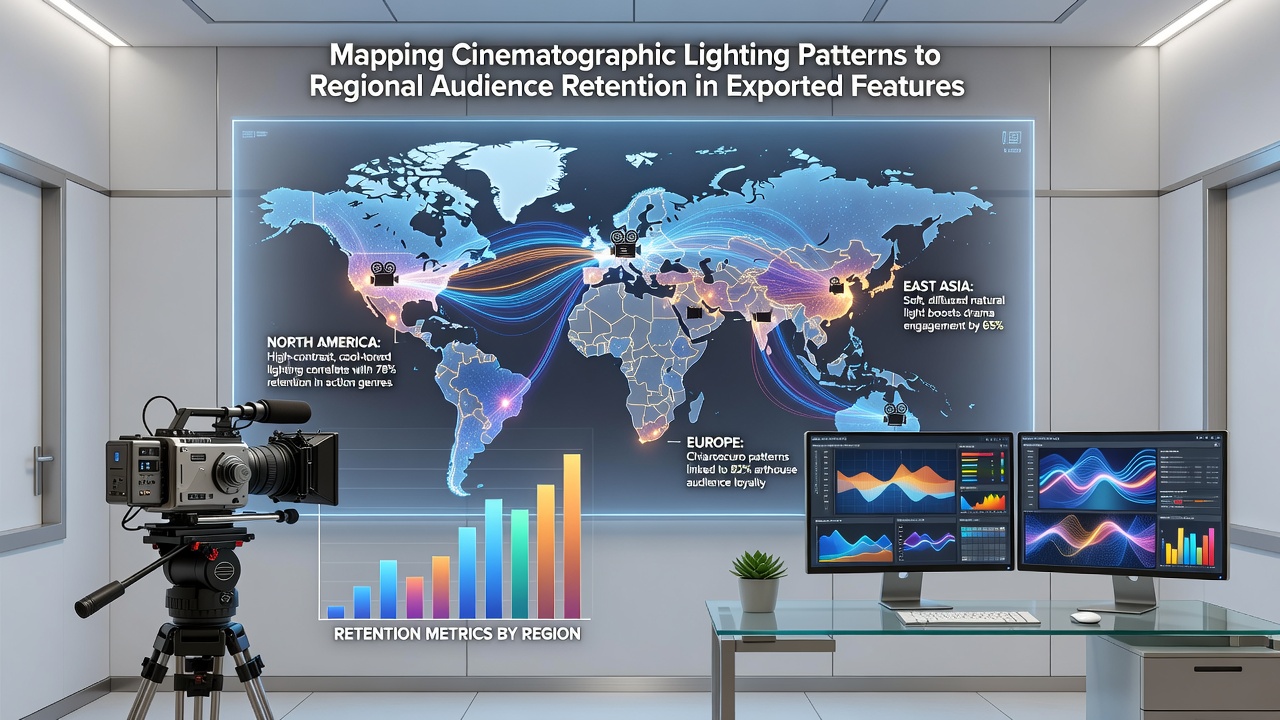
Lighting choices in feature films shape how viewers engage with exported content across different markets, and researchers have tracked these effects through aggregated viewing data from streaming platforms and theatrical releases. Studies from multiple regions show that high-contrast chiaroscuro techniques often align with longer session times in European markets, while softer, diffused lighting patterns correlate with steadier retention rates in parts of Asia and Latin America. Data from international distribution reports indicate that these patterns emerge consistently when analysts segment audiences by geography and compare completion rates across similar titles.
Core Elements of Lighting Design in Global Exports
Key lighting setups include motivated sources that mimic natural environments, low-key schemes that emphasize shadows, and high-key approaches that reduce contrast for brighter overall frames. Observers note that exported features using motivated practical lighting tend to maintain viewer attention during dialogue-heavy sequences, whereas stylized color gels can either boost or disrupt engagement depending on cultural viewing habits. Figures from platform analytics reveal that films adjusted for regional color temperature preferences during post-production show measurable differences in drop-off points compared to unaltered versions.
Methods for Tracking Retention Against Lighting Variables
Analysts combine frame-by-frame lighting measurements with timestamped viewer data to identify correlations, and this process often relies on tools that quantify lux levels, shadow density, and color temperature across entire reels. Research teams at institutions such as the University of Southern California School of Cinematic Arts have developed frameworks that map these variables onto retention curves segmented by territory. In October 2026, updated datasets from major streaming services highlighted how lighting transitions during act breaks influence pause rates in North American versus Southeast Asian audiences, providing clearer benchmarks for distributors.
Those who aggregate metrics from theatrical and home-viewing sources report that audience retention improves when lighting supports narrative pacing without overwhelming local aesthetic norms. Australian Centre for the Moving Image reports further demonstrate that exported titles with adaptive lighting grading achieve higher average watch times in Oceania markets when compared against standard international cuts.
Observed Patterns Across Major Territories
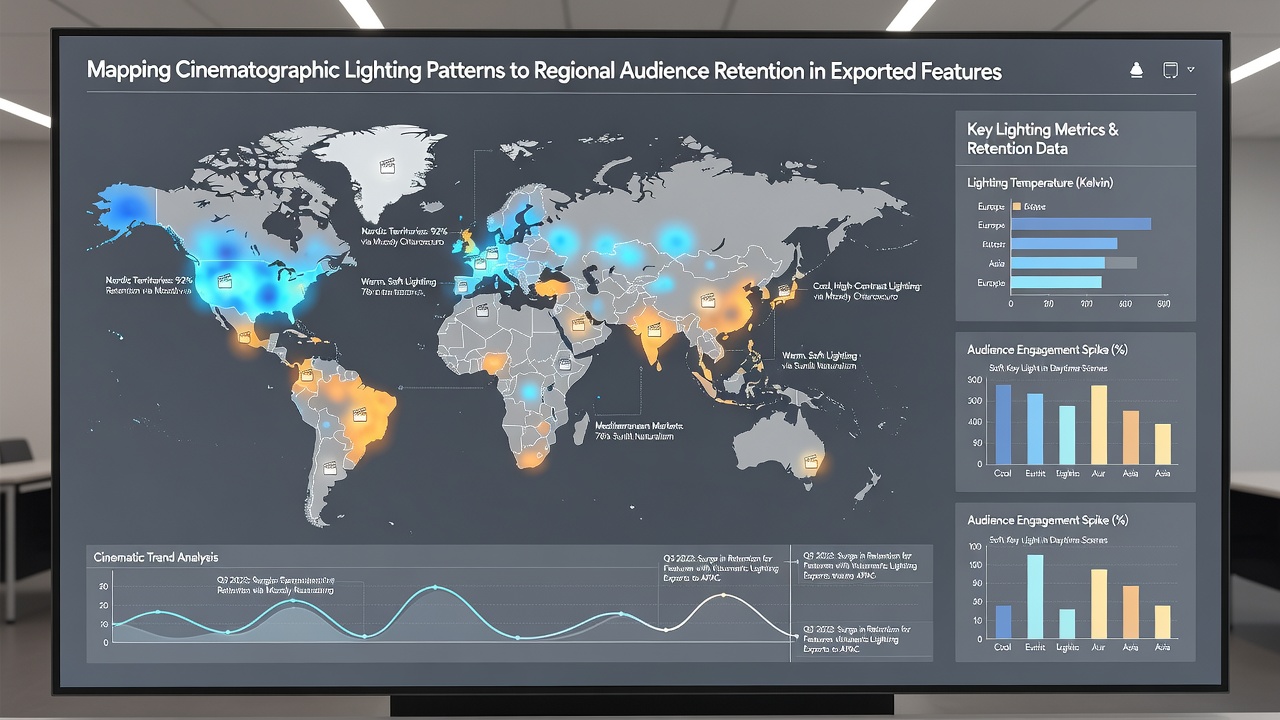
European audiences frequently show stronger retention during scenes with pronounced contrast and directional lighting, while data from Latin American platforms suggest that even illumination across the frame supports continued viewing through extended runtimes. Asian markets display varied responses, with some territories favoring cooler tones that enhance clarity and others responding better to warmer, softer setups that align with local television traditions. Analysts at the European Audiovisual Observatory have documented these regional distinctions through large-scale viewership consolidation, noting that lighting adjustments made prior to export can shift completion percentages by several points in targeted regions.
Production and Distribution Adjustments
Distributors increasingly apply region-specific grading passes that alter shadow density or color balance while preserving the director's original intent, and this practice draws on retention data collected during initial test releases. Production teams that incorporate early lighting tests based on target-market analytics often record fewer mid-film drop-offs once titles reach wide export. Evidence from collaborative studies between academic researchers and industry partners shows that these modifications work best when applied selectively rather than as blanket changes across all territories.
Tools and Emerging Technologies
Software platforms now integrate automated lighting analysis with audience metrics, allowing teams to simulate how specific setups might perform in different regions before final export. Machine-learning models trained on historical retention data help predict where high-key or low-key sequences may lose viewers, and several studios have adopted these systems for upcoming slates. Telefilm Canada reports indicate that Canadian productions using such predictive mapping have seen improved performance in secondary markets when lighting was calibrated accordingly.
Conclusion
Mapping cinematographic lighting patterns to regional retention data continues to evolve as more granular viewership information becomes available from global platforms. Researchers and distributors alike rely on these correlations to refine export strategies, and ongoing studies from diverse geographic sources provide the foundation for future adjustments. The approach connects technical choices in filmmaking directly to measurable audience behaviors across borders, supporting more informed decisions in production and release planning.